What to Pack for a Hike in Sedona (Every Season)
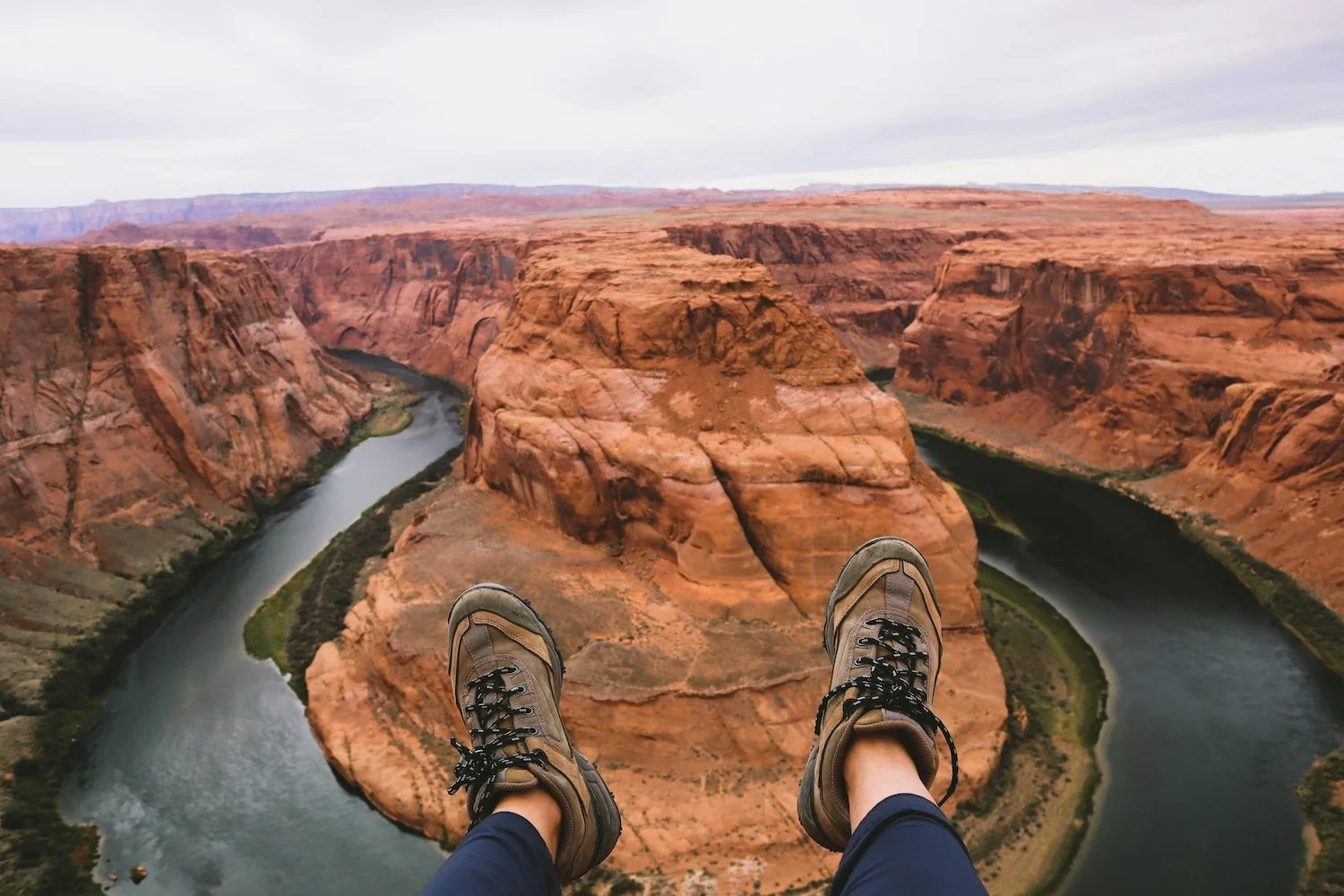
Hiking in Sedona is one of the most immersive ways to experience the red rock landscape. But the same desert beauty that draws people in can also be unpredictable, especially when it comes to weather, terrain, and temperature shifts. Knowing what to pack for a hike in Sedona isn’t just about comfort—it’s about safety, sustainability, and making sure your time on the trail feels grounded and enjoyable rather than rushed or reactive.
Sedona sits at around 4,300 feet in elevation, which means the climate is not the same as the lower desert cities of Arizona. Days can feel warm in the sun and suddenly cool in the shade. Winds move through canyons. Summer storms roll in quickly. Winter mornings can be icy even when afternoons feel mild. Packing well allows you to move through all of that with ease.
This guide breaks down what to bring for hiking in Sedona in every season so you can feel prepared, steady, and supported on the land.
The Essentials for Any Sedona Hike
No matter the season, a few things should always come with you.
Water is non-negotiable. The dry desert air pulls moisture from your body faster than you realize, even when temperatures feel mild. Bring more than you think you need, especially for hikes over an hour. A reusable bottle or hydration pack works well, and refilling before every hike should be a habit.
Footwear matters more in Sedona than in many other places. The red rock trails are uneven, rocky, and sometimes slick. Trail shoes or hiking boots with good grip are essential, even for shorter hikes. Sandals or flat sneakers are not designed for this terrain and increase the risk of slipping or turning an ankle.
Sun protection is another constant. Even in winter, the sun is strong at elevation. Sunglasses, sunscreen, and a hat protect both your skin and your energy, helping you stay comfortable longer.
A small backpack gives you the freedom to carry layers, snacks, and essentials without holding anything in your hands. It also allows you to stay present rather than juggling water bottles and jackets as the weather changes.
Spring Hiking: What to Pack
Spring in Sedona is one of the most popular seasons for hiking. The weather is usually mild, wildflowers appear, and the red rocks feel especially alive. But spring can also bring wind and sudden temperature changes.
Light layers are key. A breathable base layer paired with a light jacket or windbreaker will let you adjust easily throughout the day. Mornings may feel cool, but afternoons often warm quickly in the sun.
Trail shoes with good grip are important in spring because some trails may still hold moisture from winter snow or rain. Rocks can be slick, especially in shaded areas.
Bring extra water, even if it doesn’t feel hot. The dry air still dehydrates, and spring hikes often run longer because the weather feels so inviting.
Summer Hiking: What to Pack
Summer in Sedona is hot, bright, and intense. Temperatures can rise quickly, and the sun can feel relentless. Early morning hikes are best, but packing properly makes all the difference.
Lightweight, breathable clothing in light colors helps reflect heat and allows sweat to evaporate. Avoid heavy cotton and opt for fabrics designed for outdoor activity.
A wide-brimmed hat or cap and strong sunscreen protect your face and neck, which are especially exposed on open trails.
Electrolytes or salty snacks help replenish what you lose through sweat. Water alone is not always enough in high heat.
Summer storms, especially during monsoon season, can bring sudden rain. A lightweight rain jacket or poncho can be helpful, even if the sky looks clear when you start.
Fall Hiking: What to Pack
Fall is one of the most balanced seasons in Sedona. Days are often warm, nights cool, and the trails feel more spacious again after summer.
Layers are still important. A light sweater or jacket is perfect for early morning hikes, while a breathable top will keep you comfortable as the day warms.
The sun remains strong in fall, so sun protection should still be part of your kit.
This is a great season for longer hikes, so bring extra snacks and water to support extended time on the trail.
Winter Hiking: What to Pack
Winter hiking in Sedona is quieter and often deeply beautiful, but it requires more thoughtful preparation.
Temperatures can drop significantly in the morning and evening. A warm jacket, gloves, and a beanie or headband can make a big difference in your comfort.
Trail shoes or boots with good traction are essential. Some trails may have ice or snow in shaded areas, even if the day is sunny.
Layers matter more in winter than any other season. A warm base layer, a mid-layer for insulation, and an outer jacket allow you to regulate your temperature as conditions change.
The sun still reflects off the red rocks, so sunscreen and sunglasses are just as important in winter as in summer.
Snacks and Energy on the Trail
Hiking uses more energy than most people expect, especially in dry air and uneven terrain. Packing snacks helps keep your blood sugar steady and your body supported.
Choose foods that are easy to eat and carry, like nuts, dried fruit, protein bars, or simple sandwiches. Avoid anything that melts easily in summer or freezes in winter.
Eating small amounts regularly keeps you energized without feeling heavy.
Optional but Helpful Add-Ons
A small towel or scarf can be useful for sweat, sun, or sitting on rocks during rest breaks.
A journal or small notebook is a beautiful companion on Sedona hikes, especially if you enjoy reflecting or setting intentions while surrounded by nature.
A phone with offline maps downloaded can be helpful, as cell service is not always reliable on the trails.
Packing with Intention
Packing for a hike in Sedona isn’t just about gear—it’s about how you want to feel while you’re on the land. When you’re prepared, your body relaxes. You move more slowly. You notice more. You don’t have to rush back because you’re cold, overheated, or uncomfortable.
Whether you’re walking through Cathedral Rock, exploring Oak Creek Canyon, or visiting one of Sedona’s many scenic trails, thoughtful packing creates space for the experience to unfold naturally.
The land is generous. Arriving prepared allows you to meet it with the same care.